Regenerative Joint Treatment
Prolozone Therapy
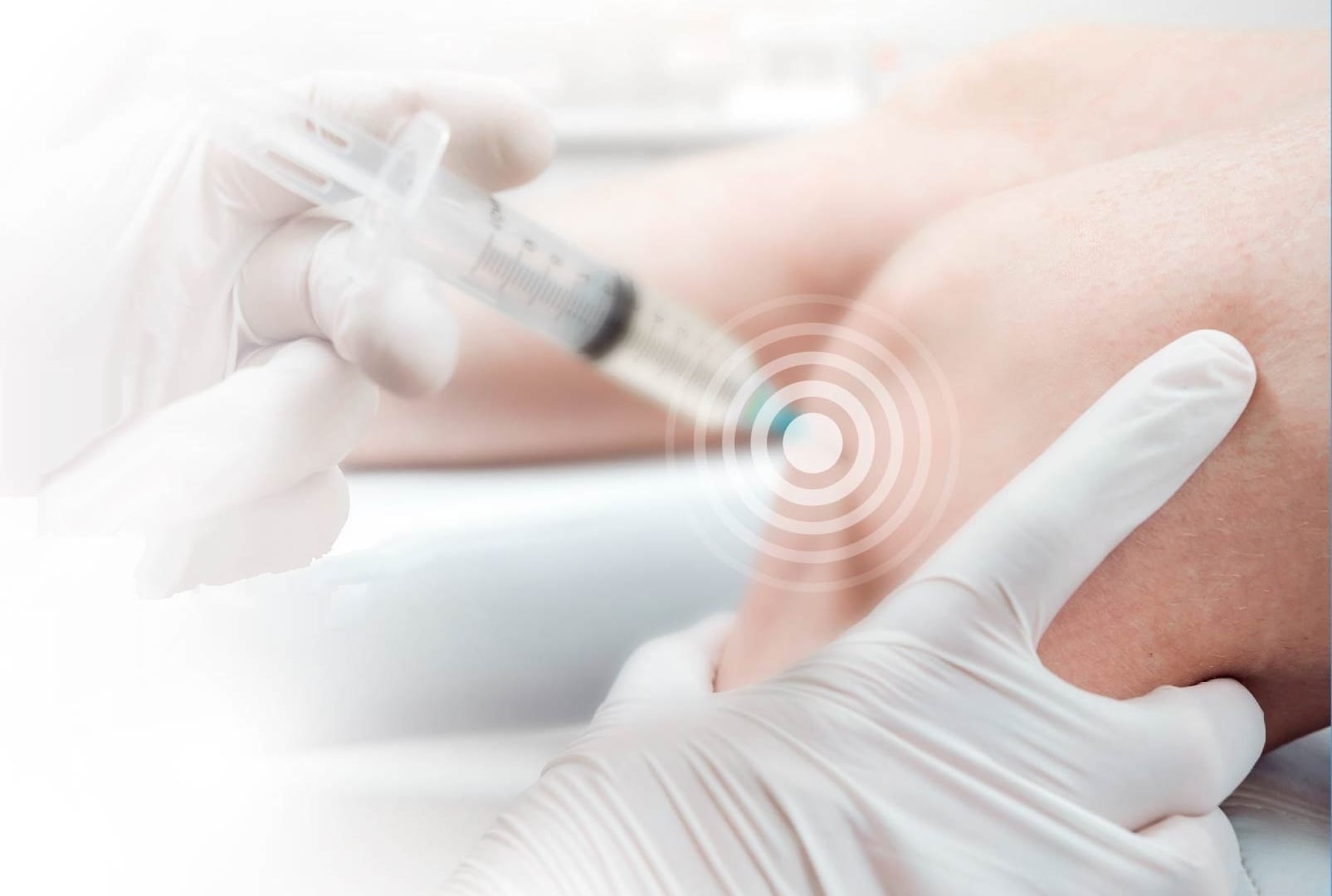
Prolozone Therapy is a non-surgical, theraputic regenerative injection utilized by functional medicine practitioners to treat chronic joint pain and musculoskeletal conditions. It targets damaged areas to stimulate tissue repair and accelerate healing in the knees, hips, spine, discs, and ligaments.
The Science
What Is Prolozone Therapy?
Prolozone therapy is an injection-based treatment developed by Dr. Frank Shallenberger that combines ozone gas, vitamins, minerals, and homeopathic compounds to stimulate the body's natural healing response in damaged joints, ligaments, tendons, and discs.
Unlike cortisone injections — which suppress inflammation temporarily — Prolozone works by delivering oxygen-ozone directly to oxygen-deprived, degenerated tissue. This triggers a controlled healing cascade: fibroblast proliferation, collagen synthesis, and cartilage regeneration.
The result is not symptom masking. It is structural repair. Most patients experience progressive, cumulative improvement across 3–6 sessions, with results that continue to develop for months after treatment concludes.
The Mechanism
How Prolozone Works
Oxygen Delivery to Deprived Tissue
Chronic pain is almost always associated with hypoxic (oxygen-deprived) tissue. Ozone — a highly reactive form of oxygen — floods the affected area, restoring cellular metabolism and triggering the body's repair response.
Proliferant Injection
A solution of vitamins (B12, B6, folic acid), minerals, and homeopathic compounds is injected into the joint space or ligament attachment points. These proliferants stimulate fibroblast activity and collagen production.
Ozone Injection
Medical-grade ozone gas is then injected into the same area. The ozone reacts with local tissues, upregulating antioxidant enzymes, reducing inflammatory cytokines, and accelerating the healing cascade initiated by the proliferants.
Cumulative Regeneration
Each session builds on the last. As new collagen matures and joint structures stabilize, patients report progressive reduction in pain, improved range of motion, and restored function — often permanently.
Conditions Treated
What Prolozone Therapy Treats
Prolozone is most effective for conditions involving joint degeneration, ligament laxity, disc disease, and chronic musculoskeletal pain that has not responded adequately to conventional treatment.
Knee Osteoarthritis
Cartilage loss, bone-on-bone pain, and joint space narrowing — including cases where surgery has been recommended.
Hip Joint Degeneration
Labral tears, osteoarthritis, and hip impingement causing groin, lateral hip, or referred thigh pain.
Lumbar Disc Disease
Disc herniation, disc desiccation, and degenerative disc disease causing low back pain with or without leg radiation.
Cervical Disc Pain
Neck pain, cervical disc herniation, and radiculopathy causing arm pain, numbness, or weakness.
Sacroiliac Joint Dysfunction
SI joint instability and inflammation causing low back, buttock, and posterior leg pain.
Shoulder Conditions
Rotator cuff tears, shoulder impingement, AC joint arthritis, and glenohumeral osteoarthritis.
Plantar Fasciitis
Chronic heel and arch pain from plantar fascia degeneration that has not resolved with conservative care.
Chronic Tendinopathy
Patellar, Achilles, and other tendon degeneration causing persistent pain and functional limitation.
The Treatment Process
What to Expect
Initial Consultation & Evaluation
Your first visit includes a comprehensive review of your imaging, history, and biomechanics. We determine candidacy for Prolozone, identify the precise pain generators, and design your individualized treatment protocol.
Treatment Sessions
Each session takes approximately 30–45 minutes. The injection protocol is well-tolerated — most patients describe mild pressure or a brief warming sensation. No sedation or recovery time is required.
Treatment Frequency
Most patients receive 2–6 sessions spaced 1–3 weeks apart. The number of sessions depends on the severity of degeneration, the joint treated, and your individual healing response.
Progressive Improvement
Improvement is cumulative. Many patients notice meaningful relief after the first or second session. Full results — including structural changes — continue to develop for 3–6 months after the final treatment.
Is It Right for You?
Ideal Candidates for Prolozone
Prolozone therapy is most effective for patients with documented joint degeneration, disc disease, or ligament laxity who are seeking a non-surgical alternative — or who want to delay or avoid joint replacement surgery.
Ideal candidates have typically tried physical therapy, anti-inflammatory medications, or cortisone injections with incomplete or temporary relief. Prolozone addresses the underlying structural problem rather than suppressing symptoms.
Candidacy is determined at your initial consultation. Patients with active infection, certain autoimmune conditions, or specific contraindications to ozone therapy may not be appropriate candidates.
Common Questions
Frequently Asked Questions
Is Prolozone therapy painful?
Most patients tolerate Prolozone injections well. You may feel mild pressure, a brief burning sensation from the ozone, or temporary soreness in the treated area for 24–48 hours after the session. Significant pain during or after treatment is uncommon.
How many sessions will I need?
Most patients require 3–6 sessions. Mild to moderate conditions often respond in 3–4 sessions; more advanced degeneration may require 5–6. Your treatment plan is individualized based on your imaging findings and clinical response.
How is Prolozone different from PRP or stem cell therapy?
Prolozone uses ozone gas and proliferant compounds rather than blood-derived growth factors (PRP) or cellular therapies. It is generally more affordable, requires no blood draw, and has a well-established clinical track record. Some patients benefit from combining Prolozone with PRP.
How is Prolozone different from cortisone injections?
Cortisone suppresses inflammation temporarily but does not repair damaged tissue — and repeated injections can accelerate cartilage breakdown. Prolozone stimulates tissue repair and collagen synthesis, addressing the structural cause of pain rather than masking it.
Is there downtime after treatment?
No. Most patients return to normal activities immediately after their session. We recommend avoiding strenuous exercise for 24–48 hours following treatment to allow the healing response to proceed undisturbed.
Is Prolozone covered by insurance?
Prolozone therapy is not covered by most insurance plans, as it is considered a naturopathic or regenerative medicine procedure. We provide transparent pricing and can discuss payment options at your consultation.
How long do results last?
For many patients, results are long-lasting or permanent — particularly when the underlying degeneration was mild to moderate. More advanced cases may benefit from periodic maintenance sessions. Results depend on the degree of structural damage and individual healing capacity.
Ready to Explore Prolozone?
Schedule a consultation to determine whether Prolozone therapy is appropriate for your condition. We review your imaging and history before recommending any treatment.
Request a ConsultationNew patients welcome. Same-week appointments available.