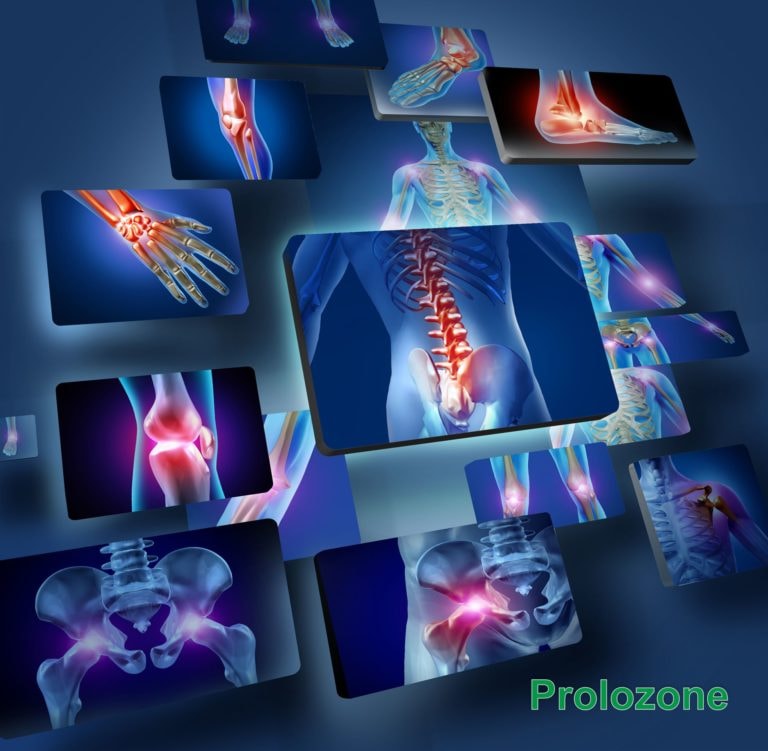
Prolozone therapy may be worth exploring for chronic neck, back, knee, hip, or joint pain. Learn what it involves and whether it may fit your situation. Port Hueneme, CA.

A knee that stiffens after a short drive, a hip that interrupts sleep, or a back that limits a normal workday can make every decision feel smaller. Prolozone therapy for chronic joint pain relief is one non-surgical option for adults who want a personalized approach to persistent musculoskeletal discomfort while considering their broader mobility, activity, and wellness goals.
At Rejuvenate Wellness Center in Port Hueneme, Prolozone Therapy is approached as part of individualized regenerative pain management. The goal is not to promise a cure or replace appropriate orthopedic care. It is to help determine whether this treatment may be a reasonable fit for the source of pain, the condition of the joint or soft tissue, and the patient's overall health picture.
What Is Prolozone Therapy?
Prolozone Therapy is an injection-based treatment that combines an oxygen-ozone mixture with other substances selected by the practitioner. Depending on the treatment plan and the area being addressed, these may include vitamins, minerals, homeopathic preparations, or other supportive injectables. The purpose is to provide targeted support to painful or dysfunctional tissues in and around a joint, spine, tendon, or ligament.
The name reflects two ideas. "Prolo" refers to prolotherapy-style treatment concepts, while "zone" refers to ozone. However, Prolozone Therapy is not identical to conventional prolotherapy, platelet-rich plasma treatment, cortisone injection, or surgery. Each option has a different rationale, risk profile, evidence base, cost structure, and recovery expectation.
People commonly ask whether Prolozone Therapy can "regrow cartilage" or eliminate the need for joint replacement. Those are not claims a careful provider should make. Osteoarthritis, degenerative disc changes, tendon injuries, and chronic pain can involve multiple structures and contributing factors. A thoughtful consultation is necessary to clarify what treatment may realistically address and when referral for imaging, physical therapy, orthopedic evaluation, or another form of care is appropriate.
Prolozone Therapy for Chronic Joint Pain Relief: Who May Consider It?
Chronic joint pain has many causes. Some people are managing osteoarthritis in the knee or hip. Others have lingering discomfort after an old injury, repetitive strain, reduced joint mechanics, spinal stiffness, or soft-tissue irritation. A treatment plan should begin with the reason pain is occurring, not just the location where it is felt.
Prolozone Therapy may be considered by adults seeking non-surgical care for persistent knee pain, hip pain, shoulder discomfort, back pain, or selected tendon and ligament concerns. It can be especially relevant for people who remain active but have started avoiding stairs, walking, exercise, gardening, or work tasks because of discomfort or limited range of motion.
It may also be worth discussing when someone has been told that joint replacement could eventually be needed but wants to understand conservative options first. That does not mean surgery is never necessary. Severe structural damage, unstable injuries, progressive neurologic symptoms, or advanced loss of function may require orthopedic assessment. The practical question is whether a non-surgical treatment can reasonably support comfort and function at this stage of the condition.
The Consultation Matters as Much as the Injection
A targeted treatment should not be selected from a menu without context. During a naturopathic consultation, the provider reviews the pain history, prior diagnoses, medications, activity level, relevant imaging, previous procedures, and health conditions that could affect treatment decisions.
This conversation helps distinguish a familiar flare of knee osteoarthritis from pain that may need a different workup. For example, sudden swelling, fever, a hot or red joint, new weakness, loss of bowel or bladder control, inability to bear weight, or pain after significant trauma should be evaluated promptly through appropriate medical care rather than treated as routine chronic discomfort.
The provider may also discuss supportive factors that influence joint health and recovery, including movement habits, sleep, nutrition, inflammation-related lifestyle factors, and nutrient status. This is where an integrative model can be useful. An injection procedure may be one element of care, but lasting mobility often depends on what happens between appointments as well.
What a Prolozone Appointment Can Involve
Treatment protocols vary based on the area being treated and the practitioner's clinical assessment. In general, the area is prepared using sterile technique, and the practitioner delivers a carefully planned series of injections to selected tissues. Some patients receive local anesthetic as part of the procedure, depending on the plan.
Appointments are typically structured around precision and patient comfort rather than speed. The experience can include a brief pinch, pressure, or temporary soreness. After treatment, some people notice tenderness, stiffness, or a mild flare in the treated area for a short period. Others return to many usual activities quickly, with individualized guidance regarding exercise, heavy lifting, and joint loading.
A single appointment may not be enough to assess the full response. Chronic joint concerns develop over time, and treatment frequency depends on the condition, severity, response, and goals. Some patients may be advised to combine care with Joint and Spinal Mobilization, appropriate movement therapy, or activity modifications that reduce repeated irritation without creating unnecessary fear of movement.
Benefits, Limits, and Treatment Trade-Offs
Patients often pursue Prolozone Therapy because they want an option that does not involve long-term reliance on pain medication or immediate surgery. They may be looking for support for mobility, activity tolerance, and day-to-day comfort while maintaining a whole-person approach to care.
Still, treatment decisions deserve clear expectations. Research on ozone-based injection therapies is evolving, and the quality and findings of available studies vary by condition, treatment protocol, and route of administration. Individual results also vary. A response seen in one person with mild knee discomfort cannot predict the response of another person with advanced hip osteoarthritis or complex low back pain.
There are practical trade-offs as well. Prolozone Therapy may involve multiple visits, out-of-pocket costs, temporary post-procedure soreness, and the need to follow activity guidance. It should be performed by a qualified clinician using appropriate screening and sterile technique. Discuss allergies, blood-thinning medications, active infection, pregnancy, significant medical conditions, and all current treatments before proceeding.
For some people, conventional approaches such as physical therapy, weight management support, medication, bracing, orthopedic procedures, or surgery may be more appropriate. For others, an integrative plan that includes Prolozone Therapy may align well with their preference for targeted, non-surgical care. Neither path should be treated as automatic.
Supporting Mobility Between Visits
The best treatment plan respects both the irritated tissue and the person's life. Completely stopping movement can lead to further stiffness and loss of confidence, while pushing through sharp or escalating pain can prolong a flare. The right level of activity is usually somewhere in between.
Low-impact movement, targeted strengthening, mobility work, supportive footwear, ergonomic adjustments, hydration, and adequate protein intake may all matter depending on the concern. Someone with knee pain may need a different strategy from someone with lumbar discomfort or hip stiffness. Personalized guidance helps prevent generic advice from becoming another source of frustration.
For adults in Port Hueneme, Oxnard, Ventura, and Camarillo, convenience also matters. Care is easier to follow when it fits around work, family responsibilities, and the activities that make life feel like life. A clear plan should explain what is being treated, what sensations are expected afterward, when to check in, and what signs warrant additional evaluation.
Choosing a Thoughtful Next Step
Persistent joint pain does not always require choosing between doing nothing and rushing into an invasive procedure. A consultation can help clarify whether Prolozone Therapy fits your symptoms, medical history, and functional goals — and whether another referral or treatment approach would serve you better.
The most useful next step is one that gives you a clearer understanding of your pain and a practical path back toward the movements that matter to you.
Book a consultation to review your history, ask questions, and find out whether Prolozone Therapy is the right fit for your situation.
Explore Topics
Written by
Dr. M.M.S, ND, DC, MS, MUAc, ABDA
Content creator and writer sharing insights and stories.